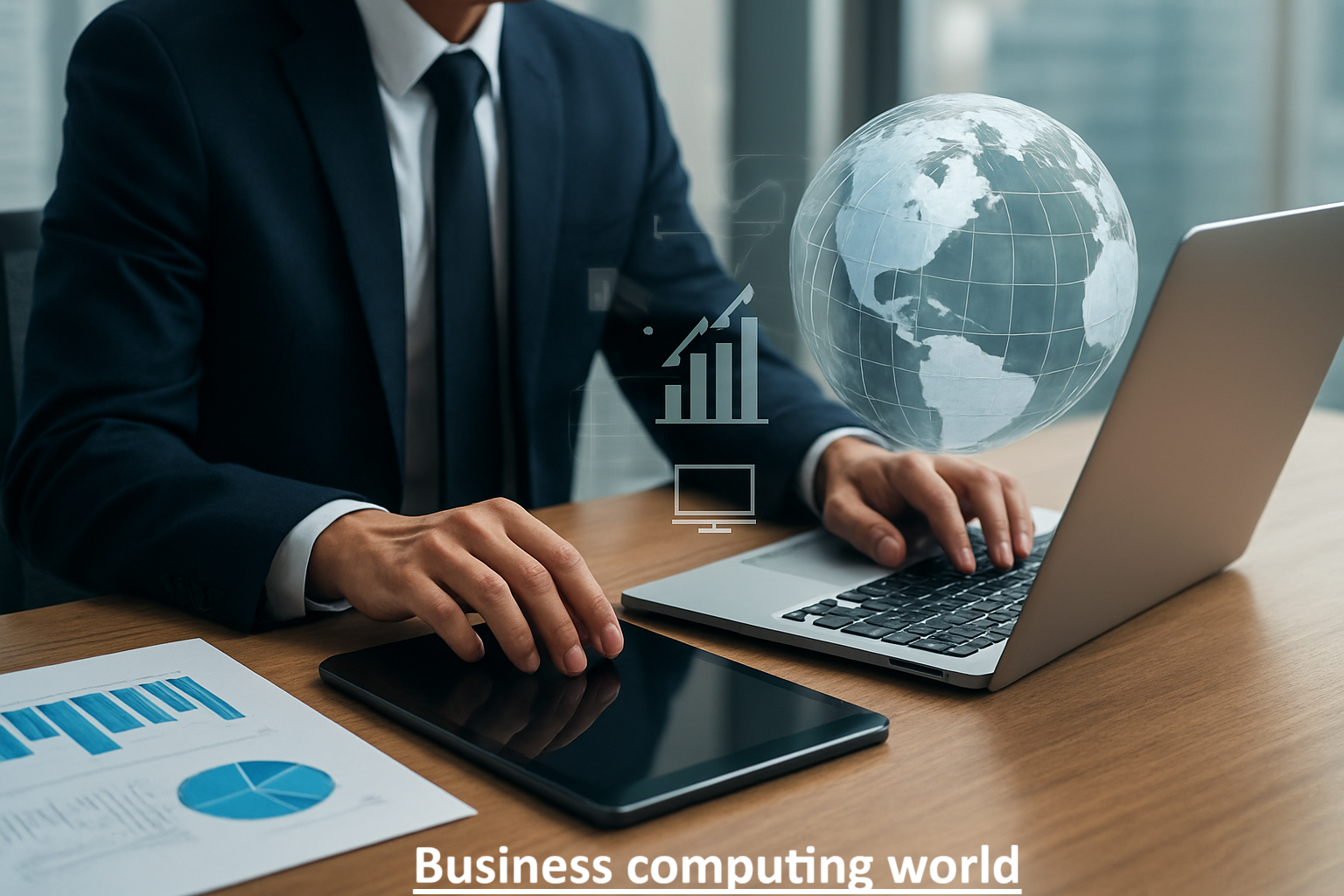
The business computing world has evolved dramatically over the past few decades, fundamentally reshaping how organizations operate, compete, and deliver value to their customers. What started as simple data processing systems in the 1960s has blossomed into a sophisticated ecosystem of interconnected technologies that power everything from small startups to multinational corporations. Today’s enterprises rely on computing infrastructure not just as a support function, but as a core strategic asset that drives innovation, efficiency, and competitive advantage in an increasingly digital marketplace.
The Foundation of Modern Business Computing
At its core, the business computing world encompasses all the hardware, software, networks, and digital systems that enable organizations to store, process, manage, and communicate information effectively. This includes everything from desktop computers and mobile devices to cloud infrastructure, enterprise software applications, databases, and communication networks. The modern business computing environment is characterized by its complexity, scalability, and integration capabilities, allowing companies to handle massive volumes of data while supporting thousands of users simultaneously across global locations.
Cloud Computing: The Game-Changing Infrastructure
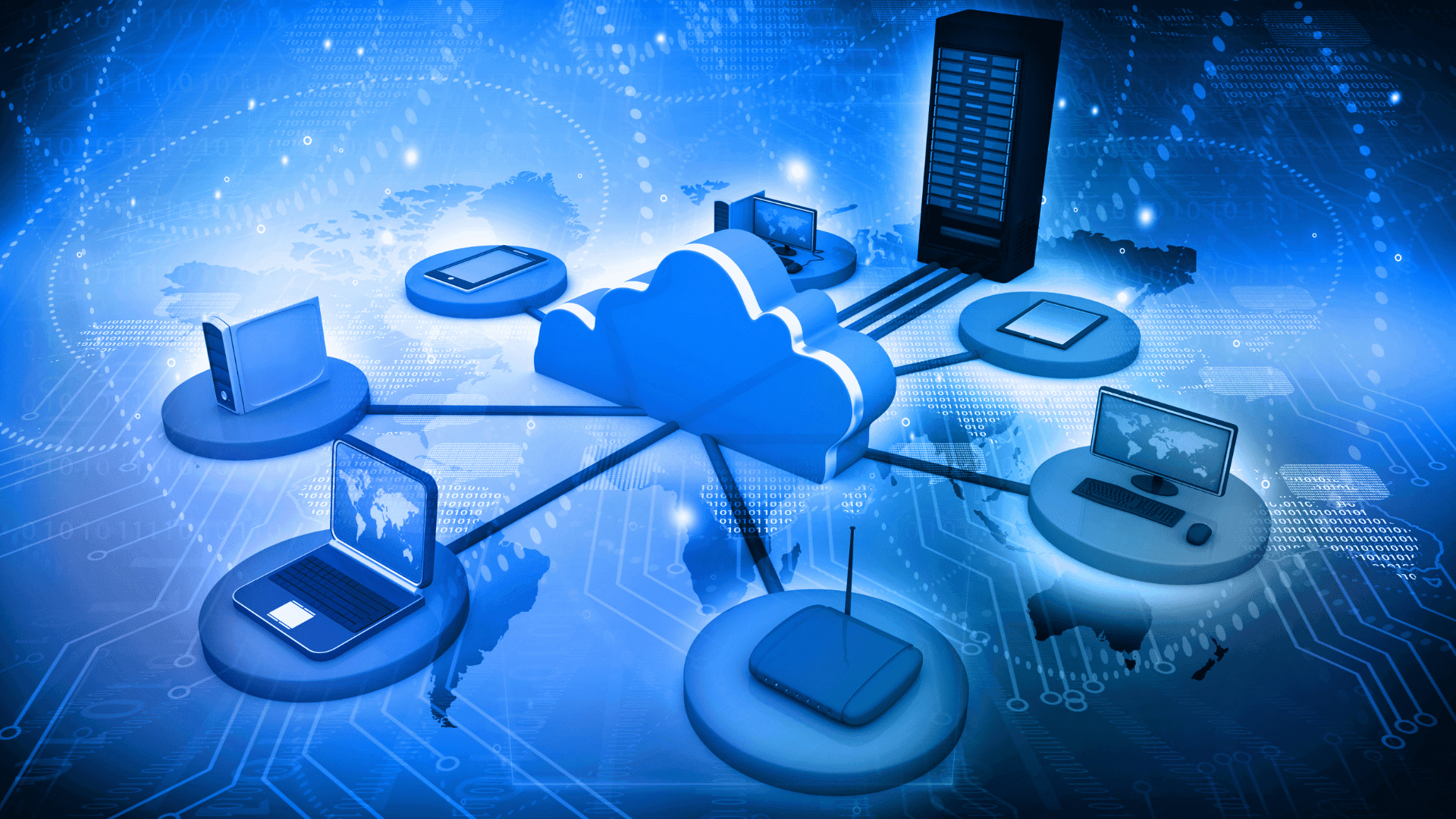
Cloud computing has fundamentally transformed the business computing world by shifting infrastructure from physical on-premises data centers to virtualized, internet-based resources. Companies like Amazon Web Services, Microsoft Azure, and Google Cloud Platform have democratized access to enterprise-grade computing power, allowing businesses of all sizes to scale their operations without massive capital investments. This shift has reduced the barrier to entry for startups while enabling established enterprises to experiment with new technologies and business models with minimal risk. The cloud model offers flexibility, cost-efficiency, and the ability to deploy applications globally within minutes rather than months.
Enterprise Resource Planning Systems
Enterprise Resource Planning (ERP) systems represent one of the most significant developments in the business computing world, integrating core business processes into unified platforms. Modern ERP solutions from vendors like SAP, Oracle, and Microsoft Dynamics connect finance, human resources, supply chain management, manufacturing, and customer relationship management into cohesive systems that provide real-time visibility across entire organizations. These integrated platforms eliminate data silos, reduce manual data entry, improve decision-making through comprehensive analytics, and ensure consistency in business processes. The evolution toward cloud-based ERP systems has made these powerful tools more accessible and easier to implement for mid-sized businesses that previously couldn’t afford traditional enterprise software.
Artificial Intelligence and Machine Learning Integration
Artificial intelligence and machine learning have moved from theoretical concepts to practical business tools that are reshaping the business computing world. Organizations are deploying AI systems for customer service chatbots, predictive analytics, fraud detection, personalized marketing, quality control, and countless other applications. Machine learning algorithms can analyze patterns in vast datasets to uncover insights that would be impossible for human analysts to detect, enabling more accurate forecasting, smarter inventory management, and better customer understanding. The integration of AI into business computing systems is accelerating automation while creating new opportunities for innovation and competitive differentiation.
Cybersecurity in the Digital Enterprise
As businesses become increasingly dependent on digital systems, cybersecurity has emerged as a critical concern in the business computing world. The sophistication and frequency of cyber attacks have grown exponentially, with ransomware, data breaches, and advanced persistent threats posing existential risks to organizations. Modern cybersecurity approaches employ multiple layers of defense, including firewalls, intrusion detection systems, encryption, multi-factor authentication, security information and event management (SIEM) platforms, and employee training programs. The shift toward zero-trust security architectures reflects the reality that traditional perimeter-based defenses are insufficient in an era of remote work, cloud services, and interconnected business ecosystems.
Data Analytics and Business Intelligence
The explosion of data generation has transformed the Business Computing World into a landscape where data-driven decision-making is the norm rather than the exception. Business intelligence platforms and advanced analytics tools enable organizations to transform raw data into actionable insights through dashboards, visualizations, and predictive models. Companies are leveraging big data technologies to analyze customer behavior, optimize operations, identify market trends, and create competitive advantages. The ability to collect, process, and analyze data from multiple sources in real-time has become a fundamental capability that separates market leaders from laggards across virtually every industry.
Mobile Computing and Remote Work Technologies
The proliferation of smartphones and tablets has extended the business computing world far beyond traditional office environments. Mobile computing enables employees to access business applications, collaborate with colleagues, and remain productive from virtually anywhere with internet connectivity. The COVID-19 pandemic accelerated the adoption of remote work technologies, including video conferencing platforms, collaboration software, virtual private networks, and cloud-based productivity suites. This shift has forced organizations to rethink their computing infrastructure, security models, and management practices to support a distributed workforce while maintaining productivity and data security.
Internet of Things and Edge Computing
The Internet of Things (IoT) is expanding the business computing world into the physical realm by connecting devices, sensors, and equipment to networks and analytical systems. Manufacturing companies are using IoT sensors to monitor equipment performance and predict maintenance needs, retailers are tracking inventory in real-time, and logistics companies are optimizing delivery routes using connected vehicles. Edge computing complements IoT by processing data closer to where it’s generated rather than sending everything to centralized cloud servers, reducing latency and bandwidth requirements. This combination enables new business models and operational efficiencies that weren’t possible with traditional computing architectures.
Collaboration and Communication Platforms
Modern collaboration platforms have revolutionized how teams work together in the business computing world. Tools like Microsoft Teams, Slack, Zoom, and Google Workspace integrate messaging, video conferencing, file sharing, and project management into unified environments that support both synchronous and asynchronous collaboration. These platforms have become central hubs for workplace communication, replacing email as the primary medium for many interactions while integrating with other business systems to create seamless workflows. The shift toward platform-based collaboration has improved productivity, reduced communication friction, and enabled more effective remote and hybrid work arrangements.
Automation and Robotic Process Automation
Automation technologies are transforming routine business processes in the business computing world through robotic process automation (RPA) and workflow automation tools. RPA software can mimic human actions to complete repetitive tasks like data entry, invoice processing, report generation, and customer onboarding without human intervention. This technology allows organizations to improve accuracy, reduce processing times, lower operational costs, and free employees to focus on higher-value activities that require creativity and judgment. The combination of RPA with AI and machine learning is creating intelligent automation systems that can handle increasingly complex processes and adapt to exceptions.
DevOps and Continuous Innovation
The DevOps movement has transformed software development and IT operations in the business computing world by emphasizing collaboration, automation, and continuous improvement. DevOps practices enable organizations to deliver software updates and new features more frequently and reliably through automated testing, continuous integration and deployment pipelines, and infrastructure as code. This approach reduces the time from concept to production, improves software quality, and enables businesses to respond more quickly to market opportunities and customer needs. Cloud-native development practices and containerization technologies have further accelerated this transformation by making applications more portable and scalable.
Blockchain and Distributed Ledger Technology
Blockchain technology is introducing new possibilities for secure, transparent, and decentralized transactions in the business computing world. Beyond cryptocurrency applications, enterprises are exploring blockchain for supply chain traceability, smart contracts, digital identity verification, and cross-border payments. The technology’s ability to create immutable records and enable trusted transactions without intermediaries has potential applications across industries including finance, healthcare, logistics, and government services. While still in relatively early stages of enterprise adoption, blockchain represents a fundamental shift in how businesses can establish trust and conduct transactions in digital environments.
The Future of Business Computing
The business computing world continues to evolve at an accelerating pace, with emerging technologies like quantum computing, 5G networks, augmented reality, and advanced AI promising to unlock new possibilities. Organizations that embrace these technologies strategically and develop the skills and culture to leverage them effectively will be best positioned for success in an increasingly digital economy. The key to thriving in this environment is maintaining flexibility, investing in continuous learning, and viewing technology not as a cost center but as a catalyst for innovation and growth. As computing power becomes more accessible and technologies become more sophisticated, the possibilities for transforming business operations and creating value are limited only by imagination and strategic vision.