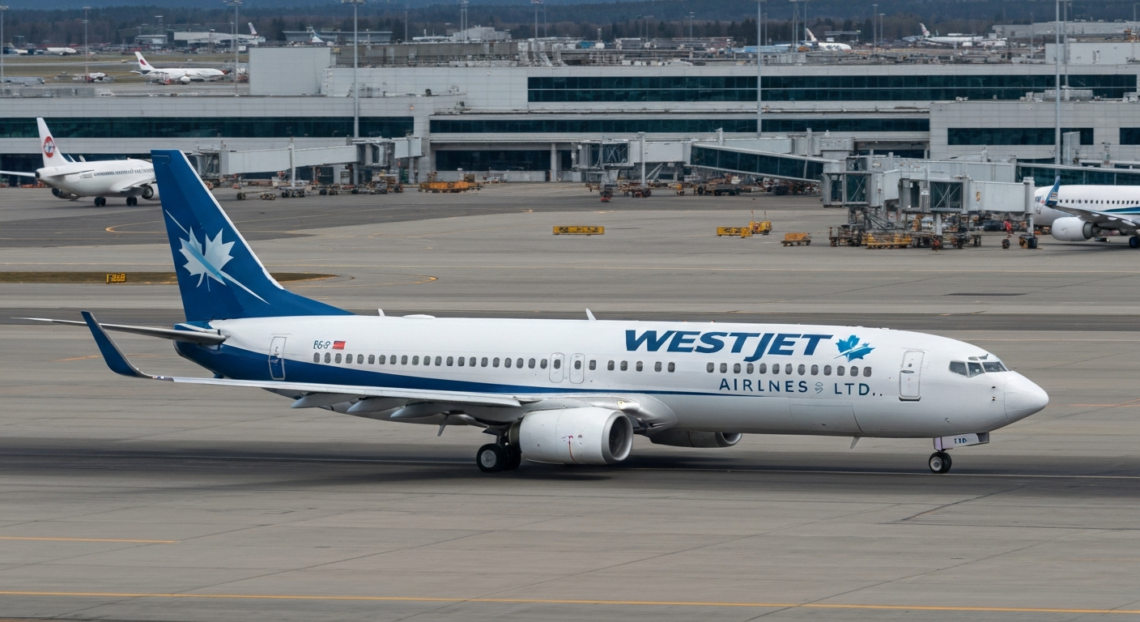
WestJet Airlines Ltd., commonly referred to as WestJet, is a Canadian airline headquartered in Calgary, Alberta. Established in 1996, WestJet began as a low-cost carrier aimed at providing affordable travel options for Canadians. Over the years, the airline has grown to become one of Canada’s largest airlines, offering domestic, transborder, and international flights. WestJet’s growth and expansion reflect a combination of strategic management, customer-focused services, and an evolving business model that adapts to changing market demands.
WestJet started with a vision of providing friendly, affordable air travel with a commitment to exceptional customer service. The airline positioned itself as a more approachable alternative to larger carriers, emphasizing the importance of creating a positive flying experience for passengers. This approach has been central to WestJet’s brand identity and has helped the airline earn a loyal customer base. From its humble beginnings with a small fleet serving regional destinations, WestJet has evolved into an airline recognized internationally for both innovation and reliability.
History and Founding
WestJet was founded by Clive Beddoe, along with a group of Calgary investors, in 1996. The airline’s inaugural flight took place on February 29, 1996, operating from Calgary to Edmonton, with a small fleet of three Boeing 737 aircraft. This marked the beginning of a journey that would redefine budget air travel in Canada. From its inception, WestJet distinguished itself by focusing on cost efficiency, using a simplified fleet and adopting business practices that minimized operational expenses while maintaining quality service.
In its early years, WestJet focused on domestic expansion, gradually adding more destinations within Canada. By the early 2000s, the airline had established a reputation for reliability and value, which allowed it to compete effectively with legacy carriers. Its unique approach to employee relations, where the company emphasized a culture of teamwork and employee involvement, contributed significantly to its rapid growth. WestJet’s employees, often called the “WestJetters,” became an essential part of the airline’s identity, reinforcing the company’s commitment to customer satisfaction.
Business Model and Strategy
WestJet operates primarily under a low-cost carrier model, which focuses on reducing operational costs to offer competitive ticket prices. This model includes a standardized fleet, direct ticket sales through the airline’s website, and efficient use of airport facilities. Despite being a low-cost airline, WestJet has continuously invested in customer experience, offering various amenities and services that distinguish it from typical budget airlines.
A significant aspect of WestJet’s business strategy is its approach to route expansion. The airline strategically targets routes that balance profitability with demand, gradually expanding from regional Canadian markets to international destinations. In recent years, WestJet has increased its presence in the transborder market, particularly flights between Canada and the United States, and has expanded its international footprint to destinations in Europe, the Caribbean, and Mexico.
Another critical component of WestJet’s strategy has been fleet management. The airline predominantly operates Boeing aircraft, with a fleet composition that includes Boeing 737s for short and medium-haul flights, and Boeing 787 Dreamliners for long-haul international routes. The consistency of the fleet allows for streamlined maintenance, training, and operational efficiency. This strategic approach ensures that the airline can scale operations while maintaining cost efficiency and service quality.
Customer Experience and Services
WestJet has always emphasized creating a friendly and engaging customer experience. The airline’s onboard services, loyalty programs, and personalized attention contribute to its reputation for excellent customer service. WestJet offers multiple service classes, including Economy, Premium, and Business, catering to a wide range of passenger needs.
The airline’s WestJet Rewards program is a cornerstone of its customer retention strategy. Through this loyalty program, passengers earn points for flights, which can be redeemed for future travel or other services. This approach not only incentivizes repeat travel but also strengthens the emotional connection between the airline and its passengers.
Onboard, WestJet provides complimentary snacks and beverages on short-haul flights and expanded meal options on long-haul flights. Passengers also benefit from modern entertainment systems, Wi-Fi availability on selected routes, and a commitment to punctuality. The airline’s approachable brand personality, combined with its focus on safety and comfort, has helped WestJet maintain a loyal and growing customer base.
WestJet’s Expansion and International Presence
Initially focused on domestic travel within Canada, WestJet’s growth strategy included gradual international expansion. The airline’s first forays into the U.S. market were significant milestones, opening transborder routes that connected major Canadian cities with key U.S. destinations. Over time, WestJet broadened its network to include destinations in Mexico, the Caribbean, and Europe, enhancing its appeal to both business and leisure travelers.
In 2015, WestJet introduced its international Business Class service, further solidifying its commitment to competing with legacy carriers on long-haul routes. The airline’s acquisition of more advanced aircraft, such as the Boeing 787 Dreamliner, enabled it to operate longer international flights efficiently while maintaining a high level of comfort and service for passengers. This investment in modern aircraft has positioned WestJet as a credible competitor in the global aviation market.
WestJet’s growth has also involved strategic partnerships and codeshare agreements with other international airlines. These partnerships allow WestJet to offer passengers access to additional destinations while enhancing the airline’s brand visibility worldwide. By carefully selecting partners and maintaining operational excellence, WestJet has successfully positioned itself as a significant player in the international aviation landscape.
Technological Innovations and Digital Strategy
WestJet has embraced technological innovations to enhance operational efficiency and customer experience. The airline has invested heavily in digital platforms, including its website and mobile app, enabling passengers to book flights, manage reservations, and access boarding passes seamlessly. WestJet’s digital tools also provide real-time flight updates, improving communication with travelers and reducing inconvenience.
In addition to customer-facing technologies, WestJet employs advanced operational software to manage fleet scheduling, route optimization, and maintenance. These innovations allow the airline to reduce delays, improve fuel efficiency, and maintain high safety standards. By integrating technology into its core operations, WestJet not only enhances passenger satisfaction but also strengthens its competitive edge in a fast-changing industry.
The airline has also explored the use of artificial intelligence and data analytics to improve decision-making, from predicting demand for specific routes to optimizing pricing strategies. This data-driven approach enables WestJet to respond dynamically to market trends, ensuring that it can maintain profitability while meeting customer expectations.
Environmental Initiatives and Corporate Responsibility
WestJet is committed to sustainable aviation practices and corporate social responsibility. The airline recognizes the environmental impact of air travel and has implemented several initiatives to reduce its carbon footprint. These include investing in more fuel-efficient aircraft, implementing fuel-saving operational practices, and supporting carbon offset programs for passengers.
In addition to environmental sustainability, WestJet engages in community initiatives and charitable programs. The airline supports various causes, including education, health, and disaster relief efforts. Through its WestJet Cares for Kids program, the airline has contributed significantly to pediatric healthcare in Canada, reflecting its commitment to social responsibility.
Corporate governance at WestJet emphasizes transparency, ethical conduct, and stakeholder engagement. The airline’s leadership team maintains a focus on long-term growth while balancing financial performance with social and environmental responsibilities. This holistic approach to business strengthens WestJet’s reputation as a responsible and forward-thinking airline.
Challenges and Competitive Landscape
Despite its success, WestJet faces several challenges typical of the airline industry. Fluctuating fuel prices, economic downturns, and geopolitical uncertainties can affect profitability and operational stability. Additionally, competition from both legacy carriers and emerging low-cost airlines requires WestJet to continuously innovate and adapt its business strategies.
The airline industry is highly regulated, and compliance with safety, security, and environmental regulations adds complexity to operations. WestJet must navigate these challenges while maintaining service quality and profitability. Furthermore, external factors such as pandemics or natural disasters can disrupt travel demand, requiring agile responses and contingency planning.
WestJet’s ability to address these challenges depends on strategic planning, operational efficiency, and its ability to maintain a strong brand identity. By leveraging technology, maintaining customer loyalty, and investing in modern aircraft, WestJet has demonstrated resilience and adaptability in a highly competitive market.
WestJet’s Employee Culture
A defining characteristic of WestJet’s success is its strong employee culture. Known as “WestJetters,” employees are integral to the airline’s brand and customer experience. The airline fosters a workplace culture based on teamwork, transparency, and employee engagement. This culture not only boosts employee morale but also enhances the overall passenger experience.
WestJet invests in employee training and development, ensuring that staff are equipped to handle diverse operational and customer service scenarios. The airline also encourages a culture of recognition and reward, celebrating employee achievements and contributions. By prioritizing employee satisfaction, WestJet creates a motivated workforce that aligns with the company’s mission and values.
Future Prospects
Looking forward, WestJet aims to continue expanding its global footprint while maintaining its reputation for customer service and operational efficiency. The airline plans to explore new routes, increase fleet capacity, and invest in sustainable aviation technologies. Strategic partnerships and alliances are expected to play a significant role in WestJet’s future growth, providing access to new markets and enhancing competitive positioning.
Innovation will remain central to WestJet’s strategy, from digital enhancements to operational efficiency improvements. Additionally, the airline will continue emphasizing sustainability, employee engagement, and customer-centric initiatives. By balancing growth with responsibility, WestJet is well-positioned to maintain its status as one of Canada’s leading airlines.
Conclusion
WestJet has evolved from a small, regional airline into a major player in the Canadian and international aviation markets. Its success can be attributed to a combination of strategic route expansion, operational efficiency, technological innovation, strong employee culture, and a commitment to customer satisfaction. Despite industry challenges, WestJet continues to adapt and innovate, demonstrating resilience and forward-thinking leadership. With a clear focus on sustainability, global expansion, and customer-centric services, WestJet is poised for continued growth and relevance in the competitive airline industry.
FAQs
Q1: What destinations does WestJet fly to?
WestJet operates flights to various domestic, transborder, and international destinations, including Canada, the United States, Mexico, the Caribbean, and Europe.
Q2: What aircraft does WestJet use?
WestJet primarily operates Boeing aircraft, including the Boeing 737 for short and medium-haul flights and the Boeing 787 Dreamliner for long-haul international routes.
Q3: Does WestJet have a loyalty program?
Yes, WestJet offers the WestJet Rewards program, which allows passengers to earn and redeem points for flights, vacation packages, and other services.