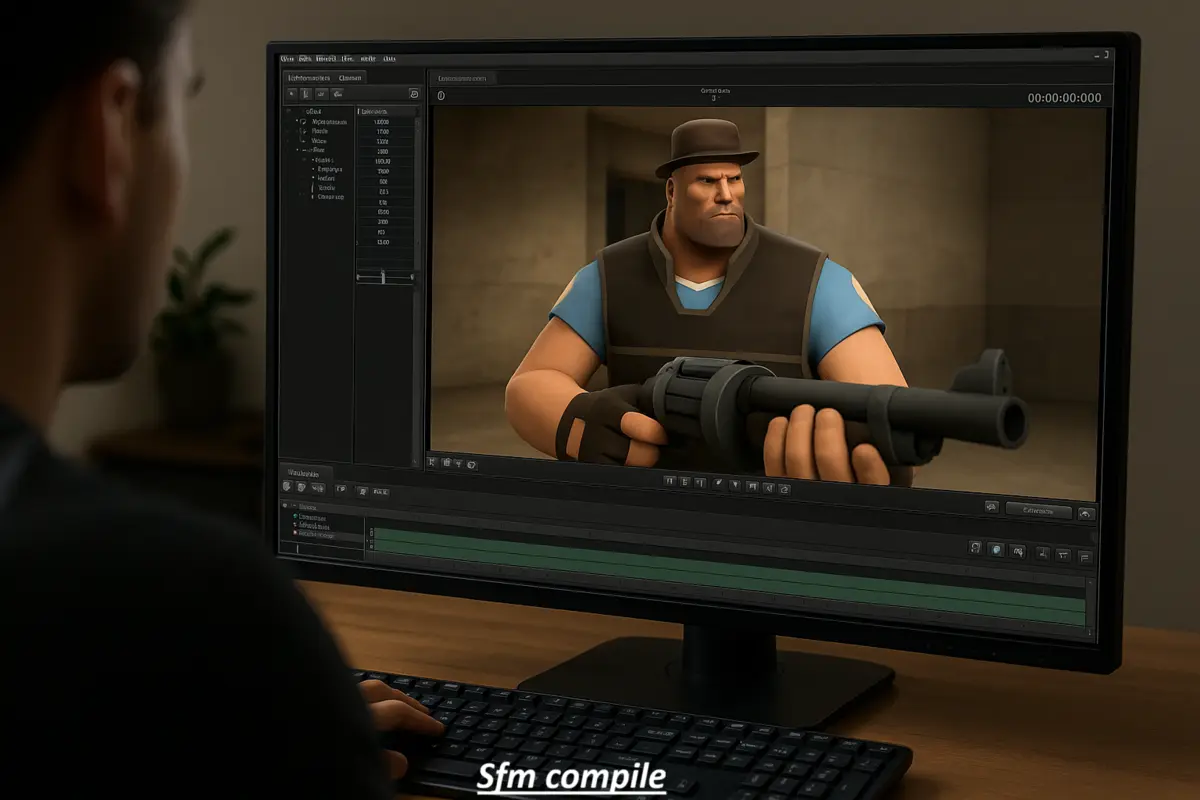
If you’re diving into SFM Compile Source Filmmaker (SFM), you already know how powerful this tool is for creating cinematic animations within the Source Engine. However, mastering the SFM compile process — turning your project into a final, polished video — can be tricky. This guide breaks down everything you need to know to compile in SFM like a professional, whether you’re creating short clips, machinima, or high-quality cinematic sequences.
What Is SFM Compile and Why It Matters
The SFM compile process is the final step where your project transforms from a series of editable shots into a fully rendered video file. Compiling determines your animation’s final quality, resolution, lighting, and sound sync. It’s essentially the “export” phase, but in SFM, it’s more complex because it involves rendering from the Source Engine’s lighting and physics systems. Understanding how to compile properly ensures your video looks sharp, smooth, and professional.
Preparing Your Scene for Compilation
Before you hit “compile,” preparation is crucial. Start by checking that all models, lights, and camera angles are finalized. Delete unused assets from your session to reduce compile time and memory usage. Make sure shadows and reflections look correct, and verify that your animation curves are smooth. If you’re using particle effects or custom models, ensure all paths are correctly set — missing files can cause compile errors or incomplete renders.
A good tip is to render a few short test clips first. This allows you to catch issues early without wasting time on a full compile that might fail later.
Understanding Render Settings in SFM
Source Filmmaker offers multiple rendering options during the compile process. The most important ones include:
- Render Resolution: Choose your output resolution carefully. 1080p is standard, but for cinematic work, you can go up to 4K if your hardware allows it.
- Frame Rate: Stick with 24 fps for film-like results or 30 fps for smoother video.
- Sampling Quality: Increasing anti-aliasing and motion blur quality improves visuals but also extends compile time.
- Depth of Field & Ambient Occlusion: These effects add realism but can be GPU-intensive. Use them wisely depending on your project’s needs.
Optimizing these settings ensures you strike a balance between visual fidelity and performance.
Compiling Using the SFM UI
The easiest way to compile is through SFM Compile built-in UI. Once your project is ready, go to File > Export > Movie. Here, you’ll choose your preferred settings such as:
- File Format: AVI or image sequence (like TGA or PNG). Image sequences are great for editing flexibility.
- Render Range: You can compile an entire shot, multiple shots, or a specific time segment.
- Render Settings Preset: You can save your favorite compile configurations for future use.
Click OK, and the compile will begin. Depending on your scene’s complexity, it may take anywhere from a few minutes to several hours.
Using Image Sequences for Maximum Quality
Professional animators often prefer compiling as image sequences rather than video files. This method renders each frame individually, ensuring no compression loss or file corruption if rendering crashes mid-way. Once the sequence is complete, you can stitch the frames together in software like Adobe Premiere, DaVinci Resolve, or Blender’s Video Editor. This workflow is ideal for color grading, effects, and fine-tuning post-production without sacrificing quality.
Common SFM Compile Problems and Fixes
Even experienced users encounter issues during SFM compile. Here are a few common ones:
- Black Screens or Missing Frames: Often caused by missing lighting or corrupt models. Rebuild lighting and check file integrity.
- Stuttering or Frame Drops: Lower your render resolution or disable super-sampling to optimize performance.
- Audio Desync: When compiling directly to AVI, SFM can sometimes misalign sound. Export audio separately and sync it manually in editing software.
Regularly saving multiple versions of your project prevents data loss and makes troubleshooting easier.
Optimizing for Faster Compile Times
Compiling in SFM can be resource-heavy, but you can improve speed with a few smart adjustments. Close other programs before rendering, reduce unnecessary particle effects, and lower the shadow sample count. If your computer has multiple cores, adjust the render settings to take advantage of parallel processing. Keeping your project files organized and assets local (not on external drives) also helps minimize compile delays.
Final Touches: Post-Processing and Polish
After compiling, your video might still need color correction, transitions, or visual effects. Post-processing software can enhance your final look. Add subtle motion blur, correct contrast, or apply cinematic color grading for that professional touch. This final stage separates good SFM creators from great ones — it’s where your animation truly shines.
Conclusion: Become a Pro at SFM Compile
Mastering the SFM compile process takes patience and practice, but once you understand its nuances, it becomes second nature. Every small adjustment — from lighting to output format — impacts the final product. By preparing your scene carefully, using optimized settings, and adopting a smart workflow, you can compile Source Filmmaker projects that look stunning, professional, and ready for any platform. Whether you’re animating for fun or creating cinematic masterpieces, this powerful compile guide gives you everything you need to level up your SFM skills.